Drooling during sleep is something many people experience, yet it often raises questions. Is it a sign of deep sleep, or could it point to an underlying issue? Experts say the answer depends on several factors—ranging from sleep position to overall health.
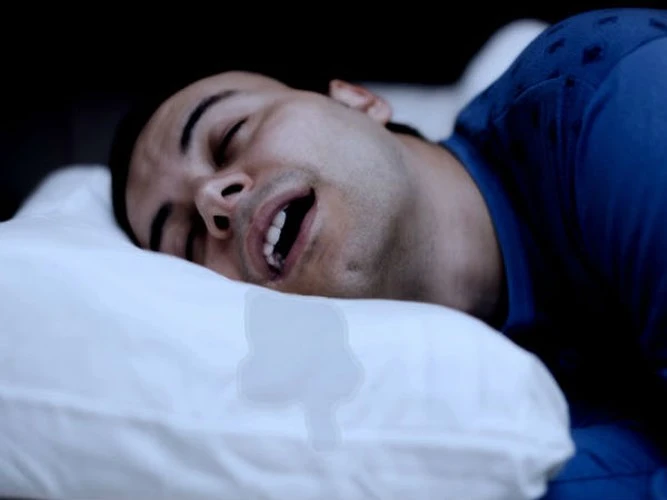
A Sign of Deep Relaxation?
In many cases, drooling occurs when the body enters a deep stage of sleep.
During this phase:
- Muscles, including those around the mouth, fully relax
- The swallowing reflex slows down
- Saliva may naturally escape from the mouth
This is why some people associate drooling with deep, restorative sleep.
Sleep Position Matters
One of the most common reasons is simply how you sleep.
- Sleeping on your side or stomach makes it easier for saliva to flow out
- Sleeping on your back usually reduces drooling
So in many cases, drooling has more to do with gravity than brain function.
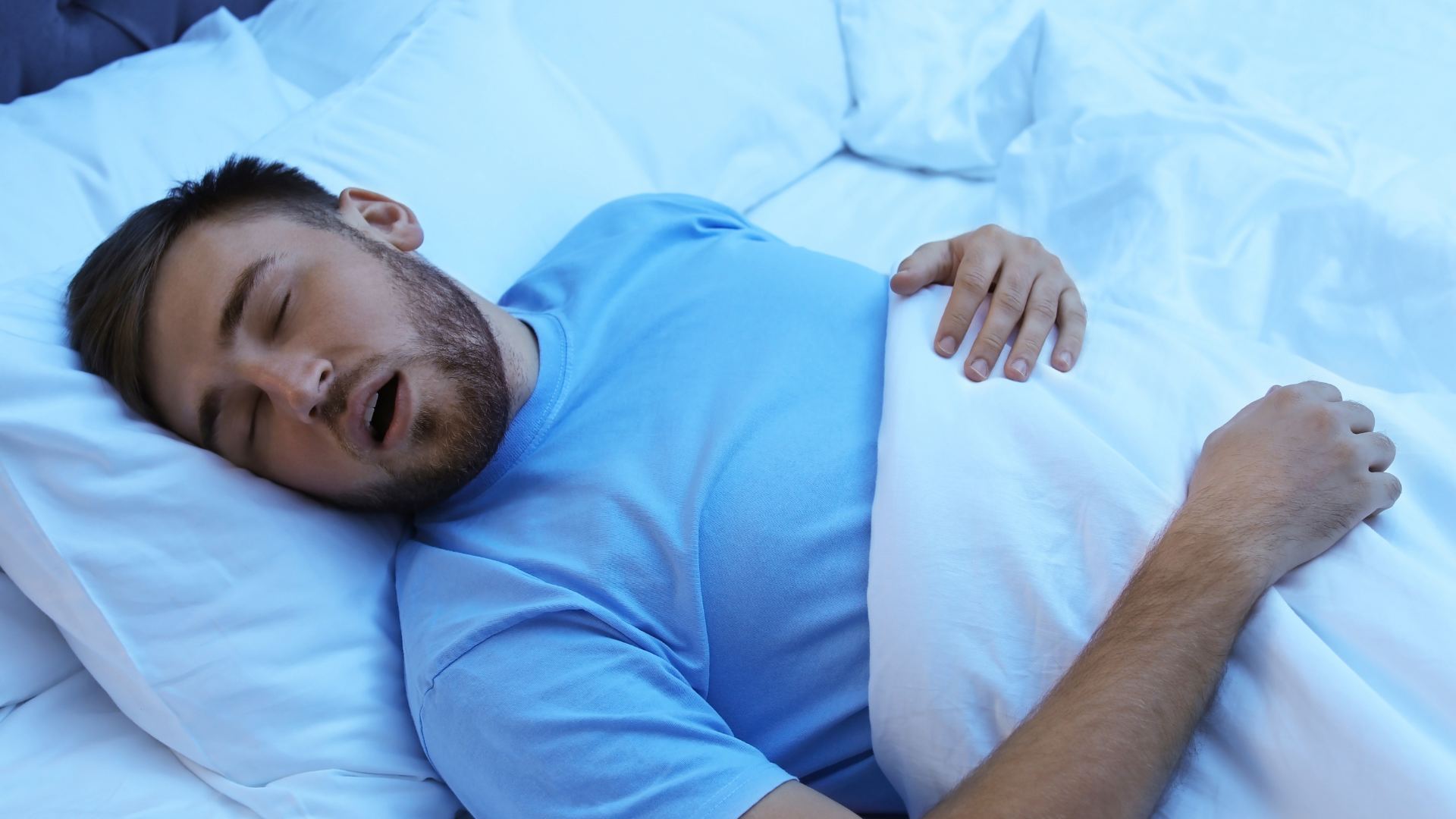
Nasal Congestion and Breathing
If your nose is blocked, you may breathe through your mouth while sleeping.
This can lead to:
- Increased saliva buildup
- A higher chance of drooling
Conditions like allergies, colds, or sinus issues often play a role.
When It Could Be a Warning Sign
While occasional drooling is normal, frequent or excessive drooling may be linked to:
- Sleep disorders such as sleep apnea
- Neurological conditions affecting muscle control
- Acid reflux or digestive issues
If drooling is accompanied by other symptoms—such as choking, snoring, or difficulty swallowing—it’s worth consulting a doctor.
How to Reduce Drooling
Experts suggest a few simple steps: