If you’ve deliberately changed your eating habits and lost weight as expected, that’s very different from losing a significant amount of weight without trying.
## 3. Changes in Appetite
A temporary change in appetite isn’t necessarily concerning.
Stress, illness, hot weather, medications, and changes in routine can all affect how hungry you feel.
But a persistent loss of appetite—or a dramatic increase in hunger—can sometimes accompany an underlying problem.
Pay attention if the change lasts, is difficult to explain, or occurs alongside other symptoms such as weight loss, persistent nausea, abdominal discomfort, or unusual fatigue.
Rather than attempting to diagnose yourself, consider the change as information worth mentioning to a healthcare professional.
## 4. Persistent Headaches
Headaches are incredibly common.
Most are not caused by something dangerous.
Dehydration, stress, poor sleep, eye strain, caffeine changes, muscle tension, and many other factors can trigger headaches.
However, a headache that is new, unusually severe, increasingly frequent, or significantly different from your normal pattern deserves attention.
Seek urgent medical care for a sudden, extremely severe headache—particularly if it occurs with neurological symptoms such as weakness, confusion, difficulty speaking, fainting, or vision changes.
The important lesson isn’t that every headache is dangerous.
It’s that **a major change in your usual headache pattern shouldn’t automatically be ignored**.
## 5. Unusual Shortness of Breath
Being out of breath after running up several flights of stairs can be normal.
Feeling breathless while resting or during activities that previously felt easy is different.
Shortness of breath can have many causes, including respiratory infections, asthma, anemia, heart conditions, anxiety, and reduced fitness.
If breathlessness is persistent or worsening, seek medical advice.
If severe shortness of breath develops suddenly, particularly with chest pain, fainting, confusion, or blue or gray discoloration of the lips or skin, seek emergency medical care.
Breathing is one area where it is better to take significant changes seriously.
## 6. Persistent Changes in Digestion
Everyone experiences digestive problems occasionally.
Bloating, constipation, diarrhea, heartburn, or stomach discomfort can happen after dietary changes or minor illnesses.
But persistent changes are worth noticing.
Pay attention to symptoms that continue for weeks, repeatedly return, or are accompanied by unexplained weight loss, blood in the stool, persistent vomiting, difficulty swallowing, or significant abdominal pain.
These symptoms don’t automatically mean something serious is happening.
There are many possible explanations.
The important point is that persistent digestive changes should be evaluated rather than simply tolerated indefinitely.
## 7. Changes in Your Skin
Your skin can change naturally with age, weather, hormones, and sun exposure.
Dryness, occasional blemishes, and minor irritation are common.
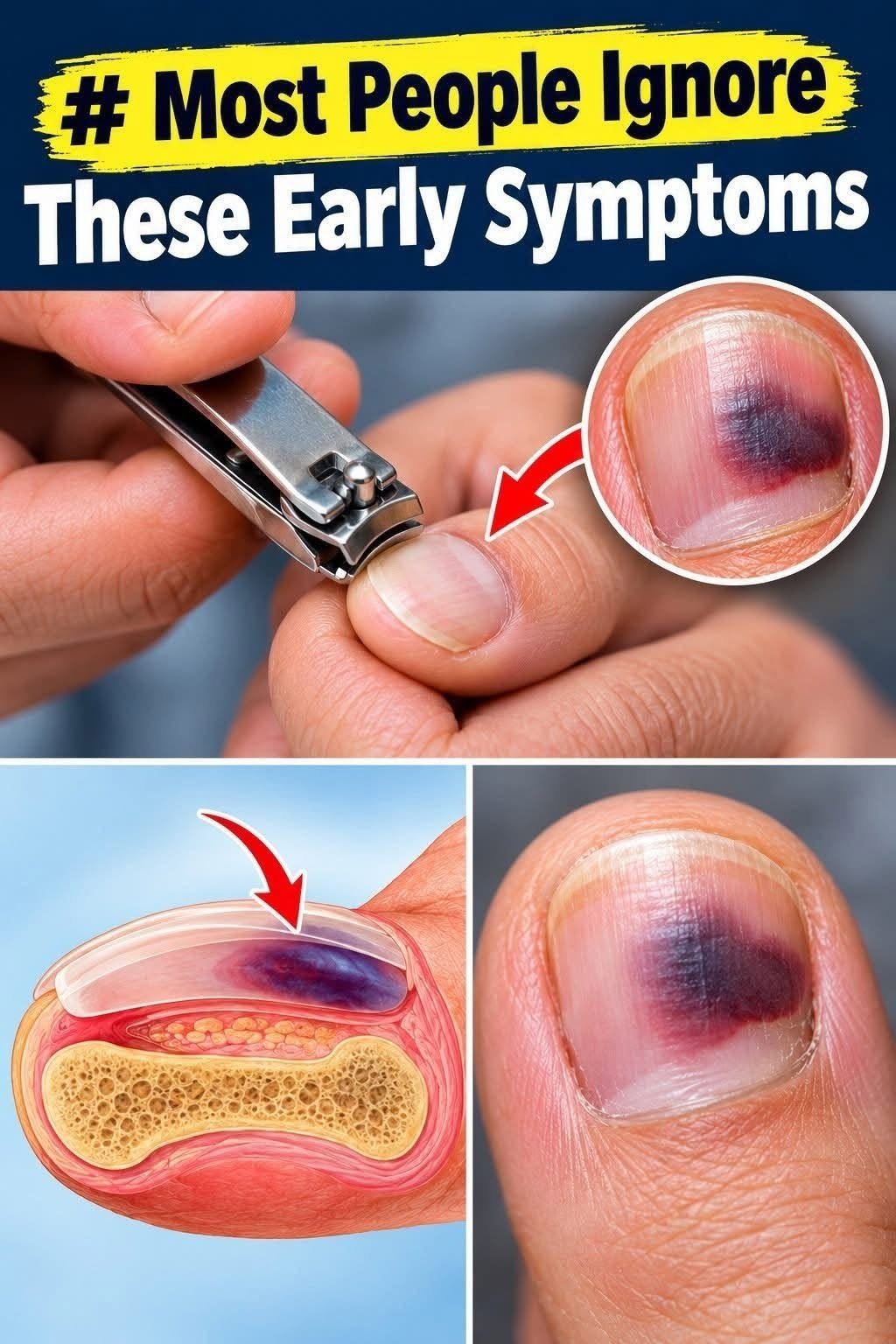
But a new or changing mole deserves attention, particularly if it changes in size, shape, color, or appearance.
A sore that doesn’t heal normally should also be checked.
You don’t need to become obsessed with examining every mark on your body.
Instead, become familiar with what’s normal for you.
That makes unusual changes easier to recognize.
## 8. Unusual Bleeding or Bruising
Occasional bruises are normal, particularly if you bump into something and forget about it.
But frequent unexplained bruising can be worth discussing with a healthcare professional.
The same applies to unusual bleeding.
Depending on the situation, persistent nosebleeds, blood in urine or stool, unusually heavy menstrual bleeding, or bleeding that seems disproportionate to an injury may require evaluation.
Don’t assume that every unexplained bruise indicates a serious disease.
Many medications, nutritional issues, and everyday factors can influence bruising.
But recurring unexplained changes deserve an explanation.
## 9. Persistent Swelling
Temporary swelling can happen after standing for long periods, eating a salty meal, traveling, or experiencing an injury.
Persistent or significant swelling is different.
Pay attention to swelling that doesn’t go away, especially if it affects only one limb or occurs alongside pain, redness, warmth, or shortness of breath.
Sudden swelling and pain in one leg can sometimes be associated with a blood clot and warrants prompt medical evaluation.
Swelling involving breathing difficulties or chest symptoms can be an emergency.
## 10. Changes in Urination
Urination naturally varies according to fluid intake, temperature, exercise, and diet.
But persistent changes can be important.
Examples include:
* Blood in the urine
* Painful urination
* A significant change in frequency
* Difficulty starting or maintaining urination
* Persistent urgency
* Unusual changes that don’t resolve
These symptoms can have many causes, from relatively simple infections to pr