-
-
or ignore fainting, severe dizziness, or near-fainting episodes.
- Increased Thirst or Urination
Some people with potassium imbalance may notice changes in urination or thirst, depending on the cause. Kidney-related potassium loss, certain medications, or dehydration may play a role.
Because thirst and urination changes can also be linked to diabetes, kidney disease, or other conditions, it is important to get proper testing instead of guessing.
- Mood Changes or Irritability
Electrolytes help support normal nerve and muscle activity. When potassium is low, some people may feel unusually irritable, foggy, restless, or
-
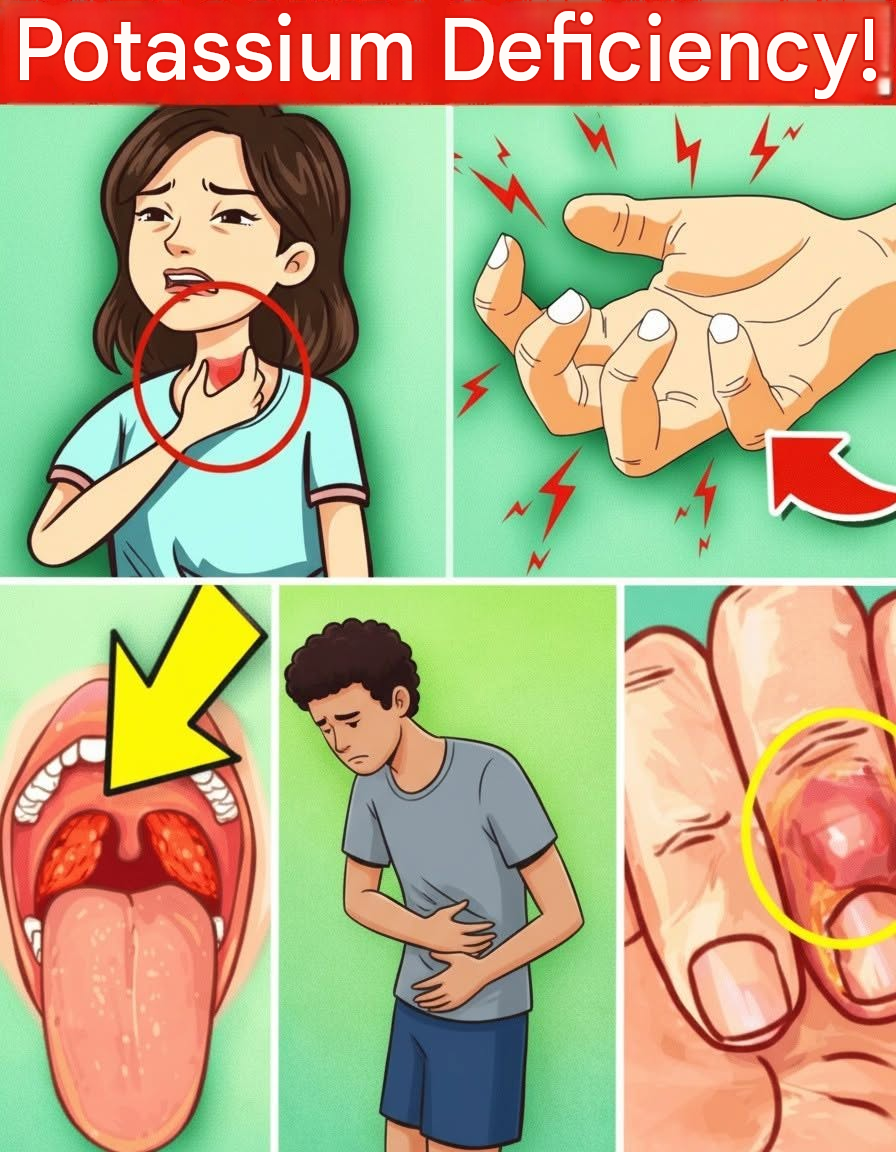
LISTEN UP! THESE 11 WARNING SIGNS SCREAM YOU’RE LOW ON POTASSIUM (HYPOKALEMIA IS NO JOKE!)